
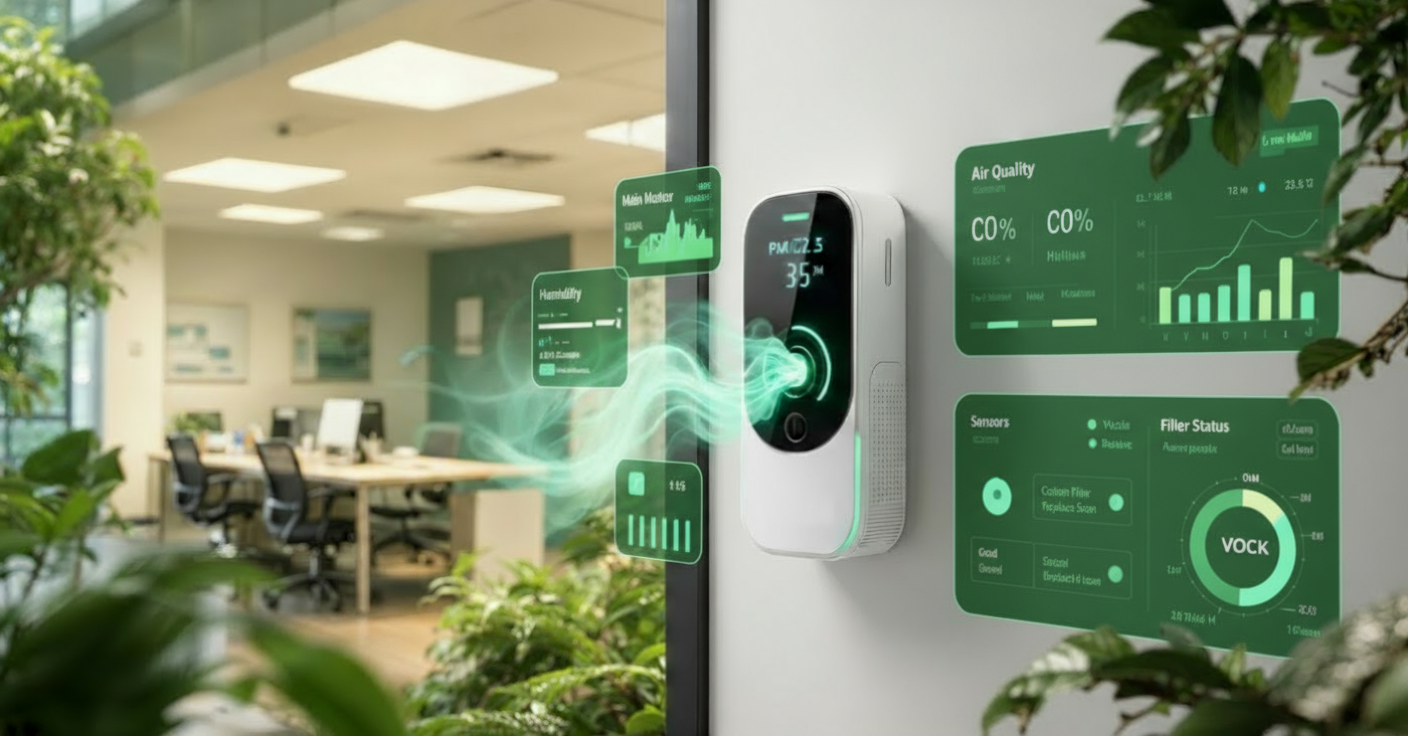

As educational institutions and healthcare facilities continue to prioritize student and patient wellness, one critical, yet often overlooked, factor remains at the forefront of both physical and cognitive well-being—indoor air quality (IAQ). With the increasing prevalence of respiratory illnesses and heightened awareness of environmental health, understanding the profound impact of air quality on student and patient performance is more crucial than ever.
The SmartEco Air Wellness Intelligent Platform takes the first step in revolutionizing how schools, hospitals, and offices approach air quality. By integrating real-time monitoring systems that continuously measure various air quality parameters, we are introducing the Air Wellness Coach, a dynamic platform designed not only to inform but also to empower environments with actionable insights that lead to healthier, more productive spaces.
Air Quality and Its Unseen Impact on School Wellness
Most people are aware of the benefits of fresh, clean air, but few realize the intricate connection between air quality and both the physical and cognitive performance of students. The effects of poor indoor air quality (IAQ) go beyond visible health symptoms like coughing or sneezing—they can affect everything from energy levels and concentration to long-term cognitive development. Let’s take a closer look at how poor IAQ impacts schools:
Cognitive Decline:
Studies show that exposure to elevated CO₂ levels in indoor environments can significantly decrease cognitive function. As students are exposed to higher concentrations of CO₂, their ability to concentrate and absorb information is impaired. In fact, research from Harvard and other institutions has found that cognitive function can decline by as much as 50% when air quality is poor.
Respiratory and Allergic Conditions:
Pollutants like PM2.5, formaldehyde, and VOCs contribute to long-term respiratory issues, such as asthma, bronchitis, and allergic rhinitis. In children, these conditions can impair physical development and performance in school.
Student Health and Attendance:
Chronic exposure to pollutants such as CO and NO₂ can cause headaches, fatigue, and dizziness, leading to an increase in absenteeism and a decrease in overall student health.

Introducing the Air Wellness Intelligent Platform
At SmartEco, we believe that healthy air is the cornerstone of an optimal learning and working environment. That’s why we have developed the Air Wellness Intelligent Platform—a cutting-edge solution that continuously monitors a range of critical air quality parameters. Unlike traditional air quality monitoring systems, our platform not only provides real-time data but also offers insights that actively guide adjustments to your environment, leading to a measurable improvement in air quality.
Key Parameters Monitored by SmartEco Air Wellness Platform
The Air Wellness Intelligent Platform is powered by SmartEco air quality monitoring devices, which track a wide array of environmental factors that influence well-being:
CO₂, PM1, PM2.5, PM10:
These particulate matter readings are critical for identifying pollution sources that can irritate the lungs and lower cognitive performance.
VOCs, CO, O₃, NO₂, SO₂:
Harmful gases are often overlooked but can have serious effects on respiratory health, especially in confined spaces like classrooms and offices.
Virus Index and Mold Index:
In addition to general pollutants, our platform also tracks the presence of viruses and mold, which are known to trigger allergies and respiratory issues.
Air Quality Index (AQI):
Real-time AQI monitoring helps facilities understand how their air quality compares to global standards, ensuring they stay within healthy levels.
Temperature, Humidity, Noise, Light, and Air Pressure:
These additional factors contribute to overall comfort and well-being, which are equally critical in maintaining an environment conducive to learning, focus, and health.
The Role of the Air Wellness Coach
The Air Wellness Coach is the brains behind the operation. This unique component of the Air Wellness Intelligent Platform translates real-time air quality data into actionable insights that empower facility managers and health professionals to optimize indoor environments. Rather than simply alerting users when air quality drops below a certain threshold, the Air Wellness Coach helps:
Diagnose the Root Cause:
By analyzing various air quality parameters simultaneously, the platform provides a comprehensive understanding of what might be causing poor air quality, whether it’s high CO₂ levels, inadequate ventilation, or a spike in VOCs.
Suggest Improvements:
The system doesn’t just stop at diagnosing the problem. The Air Wellness Coach offers targeted recommendations on how to improve air quality, from adjusting ventilation systems to introducing air purifiers or modifying room layouts.
Track Long-Term Trends:
Air quality is not a static measure—it fluctuates throughout the day and across seasons. The Air Wellness Coach tracks these trends over time, allowing schools to implement long-term solutions based on historical data, ensuring continuous wellness for students and staff.
Why SmartEco Air Wellness Intelligent Platform Stands Out
Unlike other air quality monitoring systems that merely alert when pollution levels are too high, SmartEco Air Wellness Intelligent Platform offers real-time, granular insights that allow you to take proactive steps in improving air quality. Here’s how:
Comprehensive Data:
SmartEco monitors 16+ critical parameters—more than most traditional systems. This wide range of data helps diagnose potential issues before they manifest, ensuring a healthier, safer environment.
AI and Machine Learning:
Our platform uses advanced algorithms to detect patterns in air quality data, predict potential issues, and recommend solutions in real-time. It’s not just about monitoring—it’s about optimizing the environment.
Scalable and Customizable:
Whether you’re a small private school or a large university campus, the platform scales to meet your needs. Its flexibility also allows for easy integration with existing building management systems, so air quality monitoring becomes part of the overall health and safety infrastructure.
The Health Benefits: A Better Future for Students
Investing in air quality improvements today ensures a healthier tomorrow. By using SmartEco’s Air Wellness Intelligent Platform, you’re not only improving the immediate well-being of students, staff, and patients, but you’re also fostering a culture of health that can last a lifetime.
Improved Cognitive Function:
By providing a cleaner, healthier environment, students can think clearly, stay focused, and learn more effectively.
Decreased Absenteeism:
Healthier air means fewer respiratory illnesses, reducing student absenteeism and ensuring better academic performance.
Long-Term Health Benefits:
Continuous exposure to poor air quality can lead to chronic health conditions. With SmartEco, schools can ensure that students breathe safe air for years to come, preventing long-term damage to their lungs and overall health.
Conclusion
Air quality isn’t just about comfort—it’s about health, performance, and well-being. For schools, hospitals, and offices, the Air Wellness Intelligent Platform from SmartEco is a game-changing solution that turns data into action. By monitoring over 16 critical air quality parameters in real-time, this platform empowers organizations to create healthier, more productive spaces for children, patients, and employees.