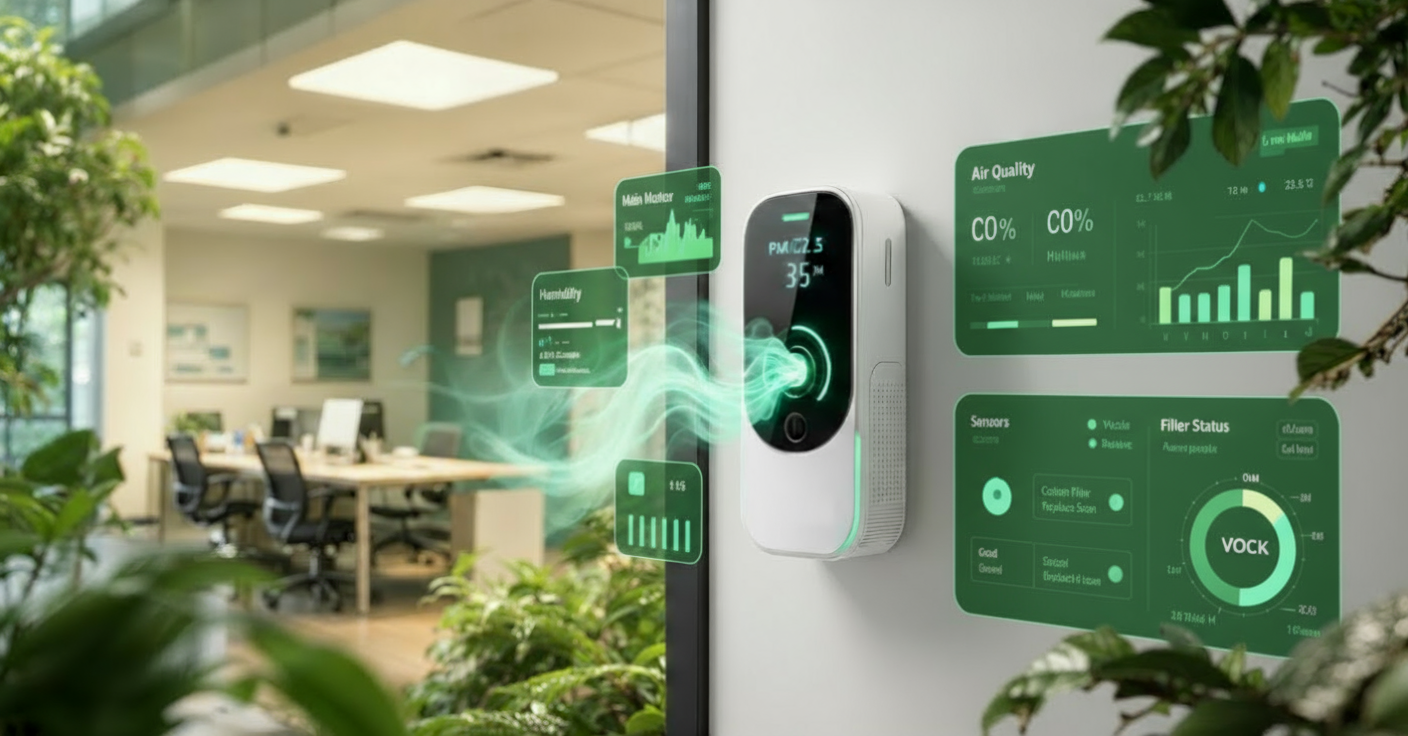


As a building manager, maintaining a safe, healthy, and compliant environment is essential. In recent years, the importance of indoor air quality (IAQ) has gained significant attention, with growing concerns about contaminants, mold, moisture, and their impact on the health of building occupants. Whether it’s in schools, hospitals, or offices, ensuring a healthy environment isn’t just a regulatory responsibility—it’s a matter of well-being for everyone in the space. This guide provides essential insights on how to prevent mold, moisture, and contaminants, and how to stay compliant with DM (Data Management) regulations.
The Growing Importance of Indoor Air Quality:
With modern buildings becoming more airtight and energy-efficient, it’s easy to forget that air quality inside a building is just as important as its structural integrity. Poor IAQ can lead to a variety of health issues, especially in sensitive environments like schools, hospitals, and offices. Issues like mold, moisture, and airborne contaminants are not only nuisances; they can cause respiratory problems, allergies, and even long-term chronic health conditions.
As more people spend a significant amount of time indoors, particularly vulnerable groups such as children, ICU patients, and office workers, building managers must proactively monitor and mitigate risks associated with IAQ. Fortunately, smart technology can assist in keeping IAQ under control and compliant with industry regulations.
The Role of Monitoring Devices in Preventing Contaminants
One of the most effective ways to prevent mold, moisture, and airborne contaminants is through continuous monitoring of key air quality parameters. Modern air quality monitoring systems, like SmartEco, offer real-time insights into factors that contribute to poor IAQ, such as CO₂ levels, particulate matter (PM1, PM2.5, PM10), volatile organic compounds (VOCs), ozone (O₃), nitrogen dioxide (NO₂), sulfur dioxide (SO₂), and even virus and mold indices.
SmartEco Air Quality Monitoring Device: Equipped with a robust set of sensors, the device can monitor critical parameters such as:
CO₂ (Carbon Dioxide):
Elevated CO₂ levels can lead to stuffy air and poor ventilation, which encourages the growth of mold and mildew.
PM1, PM2.5, PM10 (Particulate Matter):
Small particles can carry contaminants, including allergens and mold spores, that affect the respiratory system.
VOCs (Volatile Organic Compounds):
Many VOCs, found in cleaning supplies, building materials, and office equipment, can contribute to poor IAQ and even mold growth.
CO (Carbon Monoxide):
While CO itself isn’t a direct cause of mold, poor ventilation, which allows CO to build up, can create conditions favorable for mold and moisture.
Virus Index & Mold Index:
These indices track the presence of harmful microorganisms, including mold, that thrive in high moisture environments.
By continuously tracking these parameters, building managers can get early warnings of deteriorating air quality, enabling them to take corrective actions before problems escalate. Furthermore, compliance with DM regulations can be easily monitored and documented with such data, ensuring peace of mind for managers, occupants, and regulatory bodies.
How Moisture Contributes to Mold and Contaminants
Moisture is one of the primary causes of mold growth. Whether due to leaks, poor ventilation, or high humidity levels, excess moisture creates a perfect breeding ground for mold and mildew. Mold can thrive in as little as 48 hours under the right conditions, and once established, it can be difficult and costly to remove. In indoor environments like schools and hospitals, mold can exacerbate asthma, allergies, and other respiratory conditions.
To prevent mold and moisture-related issues, it’s important for building managers to monitor both humidity levels and air pressure in their facilities. SmartEco device tracks humidity and temperature—two key factors in moisture management. By keeping humidity levels in check (ideally between 30% and 50%), you can significantly reduce the likelihood of mold growth.
Regulatory Compliance and the Role of Data Management
The importance of compliance with Data Management (DM) regulations cannot be overstated. For building managers, ensuring that air quality is consistently monitored and compliant with health and safety standards is crucial. Regulations surrounding IAQ vary by region and industry, but they typically require ongoing monitoring and reporting of specific air quality parameters.
For example, in healthcare settings, hospitals must maintain strict IAQ standards to protect the health of their patients, particularly those in ICU or recovery. Schools, where children are exposed to indoor air for extended periods, must also meet guidelines set by local health authorities.
SmartEco air quality monitoring systems not only help in maintaining compliance with these regulations, but they also generate detailed reports and data logs, which can be shared with regulatory bodies, auditors, or other stakeholders to demonstrate compliance. With SmartEco, building managers can automate the reporting process, ensuring that they are always up-to-date with their regulatory obligations.

Best Practices for Preventing Mold, Moisture, and Contaminants
To prevent mold, moisture, and contaminants, building managers should follow these best practices:
Install Continuous Monitoring Systems:
As mentioned, smart air quality monitoring devices like SmartEco provide real-time data on air quality parameters, allowing for early detection of potential issues.
Maintain Proper Ventilation:
Ensure that your building has a proper ventilation system to control CO₂ levels and humidity. Regularly inspect HVAC systems to ensure they are functioning correctly.
Control Humidity:
Use dehumidifiers or air conditioning to control the humidity in high-risk areas like bathrooms, basements, and kitchens. Keeping the humidity levels between 30% and 50% is ideal.
Inspect and Repair Leaks:
Regularly check for leaks in roofs, windows, pipes, and walls. Any water infiltration should be repaired promptly to prevent moisture buildup.
Implement Regular Cleaning Routines:
Dust and clean surfaces regularly to reduce the buildup of particulate matter and contaminants. This is particularly important in hospitals and schools where children and vulnerable individuals are present.
Ensure Compliance with IAQ Standards:
Familiarize yourself with the local and national regulations surrounding indoor air quality, and make sure your building is always in compliance. SmartEco monitoring system can help you track and report these metrics easily.
Conclusion
As a building manager, ensuring a healthy indoor environment requires vigilance and proactive measures. Monitoring air quality, controlling moisture, and preventing contaminants are essential for maintaining the health and safety of occupants. With SmartEco advanced air quality monitoring system, building managers can stay ahead of potential issues, maintain compliance with DM regulations, and provide a safe environment for children, ICU patients, and office workers.