

When we talk about air quality, particulate matter (PM) often makes its way into the conversation. PM refers to tiny particles or droplets in the air that can be harmful when inhaled. These particles can be made up of dust, dirt, soot, smoke, and liquid droplets. Among these particles, two of the most commonly measured types are PM2.5 and PM10. These terms are often seen in air quality reports, and understanding their difference is crucial for safeguarding your health.
What Are PM2.5 and PM10?
PM2.5
PM2.5 refers to particulate matter that is 2.5 micrometers or smaller in diameter. These fine particles are incredibly tiny—so small that they are 30 times smaller than a human hair.
PM10
PM10, on the other hand, refers to particles with a diameter of 10 micrometers or smaller. While still small enough to be inhaled, they are larger than PM2.5 particles.
Due to their size, both of these particles are easily inhaled and can affect your respiratory system, but their size also determines how deeply they can penetrate your body.

PM2.5 and PM10 originate from various sources. Common sources include:
Vehicle Emissions
Car exhausts emit a combination of gases and particulate matter, which contribute significantly to PM2.5 and PM10 levels in urban environments.
Industrial Emissions
Factories, power plants, and construction sites release dust and pollutants into the air, often in the form of PM10.
Natural Sources
Wildfires, volcanic eruptions, and even pollen contribute to higher levels of particulate matter in the air, though human activities play a major role in their concentrations.
Indoor Sources
Sources like tobacco smoke, cooking, heating, and even some office equipment can generate fine particulate matter indoors.
Why Should You Be Concerned About PM2.5 and PM10?
Both PM2.5 and PM10 particles can have serious health implications, especially for children, the elderly, and individuals with pre-existing health conditions like asthma or heart disease. However, due to their size, PM2.5 particles are more harmful than PM10 because they can travel deeper into the lungs and even enter the bloodstream.
Health Effects of PM2.5
Respiratory Problems
Because PM2.5 particles are so fine, they can bypass the body’s natural defenses and penetrate deep into the lungs. This can lead to chronic respiratory diseases, including asthma, bronchitis, and even lung cancer.
Cardiovascular Issues
Long-term exposure to PM2.5 is associated with an increased risk of heart attacks, strokes, and other cardiovascular problems. This is especially concerning for people with pre-existing heart conditions.
Impact on Children and ICU Patients
PM2.5 is particularly harmful to children, as their lungs are still developing. Studies have shown that exposure to fine particulate matter can lead to developmental delays and chronic conditions like asthma in children. In hospitals, especially in ICU wards where patients are already vulnerable, the presence of PM2.5 can exacerbate existing conditions like respiratory failure and increase the risk of infections.
Health Effects of PM10:
While PM10 particles are larger and may not penetrate as deeply into the lungs as PM2.5, they can still cause serious health problems, especially when exposed to high concentrations over a prolonged period.
Respiratory Distress
particles can irritate the upper respiratory system, leading to conditions like asthma, sinusitis, and bronchitis.
Exacerbation of Pre-existing Conditions
People with existing lung diseases, including COPD (Chronic Obstructive Pulmonary Disease), are at a higher risk when exposed to PM10 particles.
PM2.5 vs PM10: The Key Differences:
| Characteristic | PM2.5 | PM10 |
|---|---|---|
| Particle Size | ≤ 2.5 micrometers | ≤ 10 micrometers |
| Penetration Depth | Deeply enters the lungs, potentially bloodstream | Primarily affects upper respiratory system |
| Health Risk | Higher, can lead to heart and lung diseases | Lower, but still significant for those with respiratory issues |
| Sources | Vehicle emissions, industrial emissions, wildfires | Construction sites, dust storms, and vehicle emissions |
Why Air Quality Matters in Schools, Hospitals, and Offices
For environments such as schools, hospitals, and offices, maintaining good air quality is paramount. Airborne pollutants, particularly PM2.5 and PM10, can directly affect both children and ICU patients. For children in schools, exposure to poor air quality can result in diminished cognitive abilities and hinder their overall development. For ICU patients, the delicate nature of their health means that any degradation in air quality can cause complications in their recovery.
Hospitals are particularly vulnerable to poor air quality because patients, especially in the ICU, are at their most vulnerable. Patients with weakened immune systems or respiratory conditions are at risk when exposed to airborne pollutants, increasing the chance of respiratory infections or complications. Similarly, office spaces with poor air quality can reduce productivity, increase sick days, and lead to chronic issues like headaches and fatigue.
How SmartEco Can Help
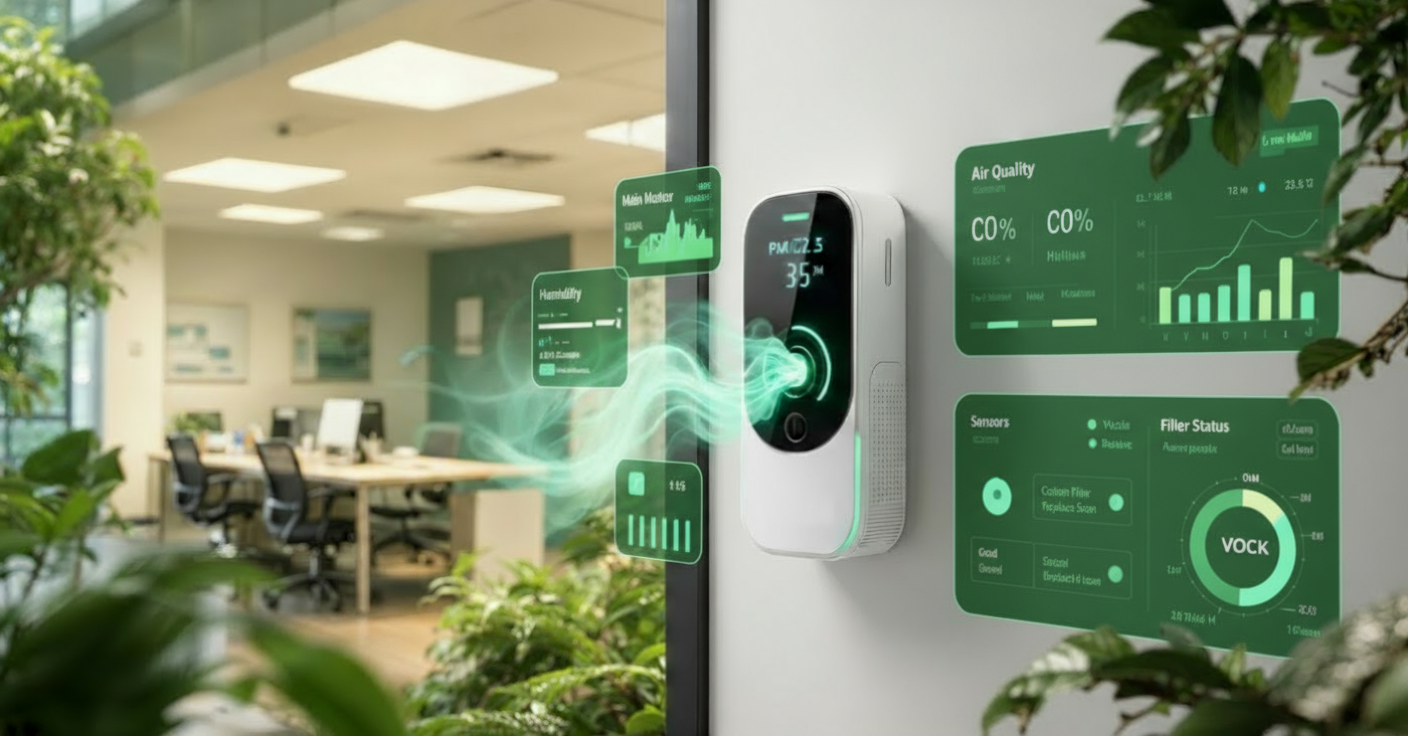
At SmartEco, we understand the importance of maintaining healthy indoor air quality, especially in environments like schools, hospitals, and offices. Our air quality monitoring system is designed to provide real-time monitoring of critical air quality parameters, including PM2.5, PM10, CO2, and other harmful particles. By offering accurate, real-time data, SmartEco helps create healthier environments for children, ICU patients, and office workers.
Schools
Monitor classroom air quality and ensure a healthy learning environment for children.
Hospitals
Keep a close eye on air quality in critical care areas, minimizing risks for patients.
Offices
Enhance employee well-being by maintaining an optimal air quality environment.
Conclusion
Understanding the differences between PM2.5 and PM10 is crucial in managing the air quality in your environment. While both can harm your health, PM2.5 particles, due to their size, pose a greater risk to respiratory and cardiovascular health. For environments like schools, hospitals, and offices, maintaining good air quality is essential to protect the well-being of both children and vulnerable patients. With SmartEco’s air quality monitoring system, you can ensure that your indoor spaces stay safe, healthy, and comfortable for everyone.
Prioritize clean air, prioritize health.